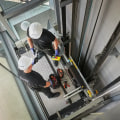
Elevator installation is a complex process that requires meticulous planning, precise execution, and a deep understanding of engineering principles. As urban landscapes continue to evolve, the demand for efficient vertical transportation systems has surged, making the role of engineers in this field more critical than ever. From residential buildings to skyscrapers, elevators are essential for ensuring accessibility and convenience, and their installation is a task that cannot be taken lightly. At the heart of elevator installation lies the expertise of engineers who are responsible for designing, implementing, and overseeing the entire process. These professionals not only ensure that the elevators meet safety standards and regulations but also optimize their performance and efficiency.
The role of an engineer in elevator installation encompasses various aspects, including structural analysis, electrical systems integration, and compliance with local building codes. Moreover, engineers must collaborate with architects, contractors, and other stakeholders to create a seamless integration of the elevator system within the building's design. This collaboration is crucial as it impacts not only the functionality of the elevator but also the overall aesthetic and operational efficiency of the structure. Understanding the intricacies of elevator engineering allows these professionals to anticipate challenges and devise innovative solutions that enhance user experience while maintaining safety and reliability.
Overview of Elevator Installation Process
The elevator installation process is a complex series of steps that requires careful planning and execution. Engineers play a crucial role in ensuring that each phase of the installation is carried out efficiently and safely.Below is an overview of the general steps involved in the elevator installation process, highlighting the engineer's responsibilities.
- Site Assessment: Before any installation begins, engineers conduct a thorough site assessment. This involves evaluating the building's structure, determining the best location for the elevator shaft, and ensuring compliance with local building codes.
- Design and Planning: Once the site is assessed, engineers create detailed designs for the elevator system. This includes selecting appropriate components such as the elevator car, hoisting mechanism, and control systems. They also plan for electrical and mechanical integration.
- Preparation of the Shaft: The next step involves preparing the elevator shaft.
Engineers oversee the construction of the shaft, ensuring it meets specifications for size and structural integrity. This phase may also include installing necessary supports and access points.
- Installation of Components: With the shaft ready, engineers supervise the installation of various components. This includes placing the elevator car, installing pulleys, cables, and control systems. Their expertise ensures that all parts are correctly aligned and securely fitted.
- Electrical Wiring: Engineers are responsible for overseeing the electrical wiring that powers the elevator system.
This includes connecting control panels, safety systems, and emergency power supplies to ensure safe operation.
- Testing and Commissioning: After installation, engineers conduct rigorous testing to ensure that all systems function correctly. They check for safety features, load capacity, and overall performance before officially commissioning the elevator for use.
Key Responsibilities of Engineers in Elevator Installation
Engineers play a crucial role in the elevator installation process, ensuring that every aspect of the project is executed with precision and adherence to safety standards. Their responsibilities encompass a wide range of tasks that are essential for the successful completion of an elevator project.- Design and Planning: Engineers are responsible for creating detailed designs that meet both functional and aesthetic requirements.
This includes selecting appropriate materials and technologies that align with the specific needs of the building.
- Compliance and Safety: One of the primary responsibilities of engineers is to ensure that all installations comply with local, state, and federal regulations. They must stay updated on safety codes and standards related to elevator installation, conducting thorough risk assessments to mitigate potential hazards.
- Project Management: Engineers often take on project management roles, coordinating between various stakeholders such as architects, contractors, and clients. They oversee timelines, budgets, and resource allocation to ensure that the project progresses smoothly.
- Installation Oversight: During the actual installation phase, engineers supervise the work being done on-site. They provide guidance to technicians and ensure that all components are installed correctly according to the design specifications.
- Testing and Quality Assurance: After installation, engineers conduct rigorous testing to verify that the elevator operates safely and efficiently.
This includes load testing, emergency procedures checks, and ensuring that all systems function as intended.
Collaboration with Other Professionals
The process of elevator installation is not a solitary endeavor; it requires the seamless collaboration of various professionals to ensure that the project is executed efficiently and meets all safety standards. Engineers play a pivotal role in this multidisciplinary team, working closely with architects, contractors, and other specialists.Collaboration with Architects
- Engineers consult with architects to understand the design intent and spatial constraints of the building. This collaboration ensures that the elevator system integrates well with the overall architectural vision.
- They assess load requirements and structural considerations, providing input on how to best position elevators within the building layout.
Working with Contractors
- During the installation phase, engineers coordinate with contractors to ensure that all specifications are met.
This includes verifying that the installation adheres to local codes and regulations.
- Regular site visits allow engineers to address any issues that arise during construction, ensuring that the project stays on schedule and within budget.
Engaging Other Specialists
- In addition to architects and contractors, engineers often collaborate with electrical and mechanical specialists. This teamwork is crucial for integrating the elevator's control systems and ensuring optimal performance.
- Safety inspectors may also be involved, requiring engineers to provide documentation and support during inspections to confirm compliance with safety standards.
Safety Standards and Regulations
The role of an engineer in elevator installation extends beyond mere technical expertise; it encompasses a deep understanding of safety standards and regulations that govern the industry. Compliance with these standards is crucial to ensure the safety of both the elevator system and its users.Engineers must be well-versed in various codes and regulations, such as the American Society of Mechanical Engineers (ASME) A17.1, which outlines safety requirements for elevators and escalators.This code provides guidelines on design, construction, installation, operation, inspection, testing, maintenance, and repair of elevators. Adhering to these regulations not only ensures compliance but also enhances the overall safety and reliability of the elevator system.Furthermore, engineers are responsible for conducting thorough risk assessments during the installation process. This involves identifying potential hazards and implementing measures to mitigate risks. For instance, they must ensure that all components are installed correctly and that safety devices, such as emergency brakes and door sensors, are functioning properly.
- Regular Inspections: Engineers must schedule regular inspections to verify that the elevator meets all safety standards throughout its operational life.
- Documentation: Maintaining accurate records of compliance with safety regulations is essential for accountability and future reference.
- Training: Engineers often provide training for maintenance personnel to ensure they understand safety protocols and can respond effectively in emergencies.
Their expertise not only facilitates a smooth installation process but also safeguards the well-being of users, making it a critical aspect of elevator engineering.
Challenges Faced by Engineers During Installation
Elevator installation is a complex process that presents various challenges for engineers. These challenges can arise from technical, logistical, and regulatory aspects, requiring engineers to be adept problem solvers.Technical Challenges:
One of the primary issues engineers face during elevator installation is ensuring that the design specifications align with the physical constraints of the building. This includes factors such as shaft dimensions, load capacity, and mechanical systems. Engineers must conduct thorough assessments to avoid complications that could arise from miscalculations or unforeseen structural issues.Logistical Challenges:
Coordinating the delivery and installation of heavy machinery can also pose significant hurdles.Engineers often have to work within tight schedules while managing multiple contractors and suppliers. Delays in material delivery or equipment malfunction can lead to project overruns, which necessitates effective communication and contingency planning.
Regulatory Challenges:
Compliance with local building codes and safety regulations is another critical aspect of elevator installation. Engineers must stay updated on the latest regulations to ensure that all installations meet safety standards. This often involves extensive documentation and inspections, which can slow down the installation process.Troubleshooting Installation Issues:
When problems do arise, engineers must quickly diagnose and resolve them.Common issues include electrical malfunctions, software integration problems, or mechanical failures. Engineers utilize a systematic approach to troubleshooting, often employing diagnostic tools and collaborating with manufacturers to find solutions. In summary, the role of engineers in elevator installation is multifaceted, requiring them to navigate a range of challenges effectively. Their ability to address these issues not only ensures a successful installation but also contributes to the overall safety and functionality of the elevator system.
Technological Advancements in Elevator Engineering
In recent years, the field of elevator installation has witnessed significant technological advancements that have transformed the role of engineers. These innovations not only enhance the efficiency and safety of elevator systems but also require engineers to adapt their skills and knowledge to keep pace with evolving technologies.Smart Elevators
- IoT Integration: Modern elevators are increasingly equipped with Internet of Things (IoT) technology, allowing for real-time monitoring and predictive maintenance.
Engineers must now understand how to integrate these systems to optimize performance and reduce downtime.
- Data Analytics: The use of data analytics in elevator systems enables engineers to analyze usage patterns and improve design. This data-driven approach helps in making informed decisions regarding upgrades and maintenance schedules.
Energy Efficiency
- Regenerative Drives: Engineers are now incorporating regenerative drive technology, which captures energy during descent and feeds it back into the building's power system. This innovation not only reduces energy consumption but also lowers operational costs.
- LED Lighting: The integration of energy-efficient LED lighting in elevators is another advancement that engineers must consider during installation, contributing to overall sustainability goals.
Safety Enhancements
- Advanced Safety Systems: Modern elevators come equipped with sophisticated safety features such as emergency communication systems and automatic rescue devices. Engineers play a crucial role in ensuring these systems are correctly installed and compliant with safety regulations.
- AI and Machine Learning: The incorporation of artificial intelligence in elevator systems allows for smarter routing and reduced wait times.
Engineers must be adept at implementing these technologies to enhance user experience.
Future Trends in Elevator Installation Engineering
The field of elevator installation is undergoing significant transformation, driven by advancements in technology and changing consumer expectations. As we look to the future, several key trends are emerging that will shape the role of engineers in this vital industry.Integration of Smart Technology
One of the most notable trends is the integration of smart technology into elevator systems. Engineers are now tasked with designing elevators that not only transport passengers but also communicate with building management systems.This includes features such as:
- IoT Connectivity: Elevators equipped with Internet of Things (IoT) sensors can provide real-time data on usage patterns, maintenance needs, and energy consumption.
- Mobile Integration: Passengers can summon elevators via smartphone apps, enhancing user experience and efficiency.
- Predictive Maintenance: By utilizing data analytics, engineers can predict potential failures before they occur, reducing downtime and maintenance costs.
Sustainability and Energy Efficiency
As sustainability becomes a priority across industries, elevator engineers are increasingly focusing on energy-efficient designs. Future elevator installations will likely incorporate:- Regenerative Drives: These systems capture energy generated during descent and feed it back into the building's power grid.
- Eco-Friendly Materials: The use of sustainable materials in construction and design will become more prevalent.
- Energy Monitoring Systems: Engineers will implement systems that track energy usage, allowing for continuous improvement in efficiency.
Evolving Roles of Engineers
The role of engineers in elevator installation is evolving beyond traditional design and installation tasks. They are now expected to be:- Consultants: Providing expertise on integrating elevators into smart buildings and urban environments.
- Project Managers: Overseeing complex installations that require coordination among various stakeholders.
- Innovators: Developing new solutions to meet the demands of modern architecture and urban planning.
Frequently Asked Questions about Elevator Installation and Engineering Roles
When it comes to elevator installation, many people have questions about the specific roles engineers play in the process.Here are some frequently asked questions that can help clarify their responsibilities:
- What qualifications do engineers need for elevator installation?
Engineers involved in elevator installation typically hold a degree in mechanical, electrical, or civil engineering. They often have specialized training in vertical transportation systems and must be familiar with local building codes and safety regulations. - What is the engineer's role during the planning phase?
During the planning phase, engineers assess the building's structure and determine the best location for the elevator. They create detailed designs that consider factors such as load capacity, traffic patterns, and energy efficiency. - How do engineers ensure safety during installation?
Safety is paramount in elevator installation. Engineers conduct risk assessments and implement safety protocols throughout the installation process.They also ensure that all components meet industry standards and undergo rigorous testing before being put into operation.
- What ongoing responsibilities do engineers have after installation?
After installation, engineers may be involved in regular maintenance checks and upgrades to ensure the elevator operates efficiently and safely. They may also analyze performance data to identify areas for improvement.
Conclusion: The Vital Role of Engineers in Elevator Installation Success
In conclusion, the role of engineers in elevator installation is not only crucial but multifaceted, encompassing a range of responsibilities that ensure both safety and efficiency. Throughout this article, we have explored how engineers contribute to the design, planning, and execution phases of elevator projects. Engineers are responsible for:- Designing systems that meet specific building requirements and comply with safety regulations.
- Conducting thorough site assessments to determine the best installation methods and locations.
- Collaborating with architects and contractors to integrate elevators seamlessly into building designs.
- Overseeing the installation process to ensure adherence to engineering standards and safety protocols.
- Performing rigorous testing and inspections to guarantee that the elevator operates safely and efficiently.
By prioritizing safety and efficiency, engineers play a pivotal role in delivering reliable vertical transportation solutions that meet the needs of modern buildings. Ultimately, the success of any elevator installation project hinges on the skills and knowledge of engineers. Their commitment to excellence ensures that elevators are not just installed but are also optimized for performance, longevity, and user satisfaction. As we move forward in an era of rapid urbanization and technological advancement, the importance of skilled engineers in this field will only continue to grow.