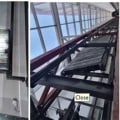
Elevator installation in occupied buildings presents unique challenges that require careful planning and execution. Unlike new constructions, where the environment can be controlled, working in a space that is already inhabited necessitates a heightened focus on safety precautions. The presence of residents, employees, or visitors means that any disruption or hazard can have serious implications, making it essential to prioritize safety at every stage of the installation process. Before commencing any work, it is crucial to conduct a thorough risk assessment to identify potential hazards associated with the installation. This includes evaluating the building's layout, understanding the flow of foot traffic, and determining how construction activities might impact daily operations.
Effective communication with building occupants is also vital; informing them about the timeline, potential disruptions, and safety measures can help mitigate concerns and foster a cooperative atmosphere. Moreover, implementing strict safety protocols is non-negotiable. This may involve using barriers to restrict access to construction zones, employing signage to alert occupants of ongoing work, and ensuring that all personnel are trained in safety practices specific to elevator installation. By taking these precautions seriously, contractors can not only protect the well-being of those in the building but also enhance the overall efficiency of the installation process.
The Importance of Safety Precautions During Elevator Installation
When it comes to elevator installation in occupied buildings, the significance of implementing stringent safety precautions cannot be overstated. The presence of residents or employees during the installation process introduces a unique set of challenges and risks that must be meticulously managed to ensure the safety of all individuals involved.Understanding the Risks
- Physical Hazards: The installation process often involves heavy machinery, tools, and materials that can pose serious physical risks.
Accidental falls, equipment malfunctions, or improper handling can lead to injuries.
- Structural Integrity: In occupied buildings, any alterations to existing structures must be carefully evaluated. Neglecting to assess the building's integrity can result in unforeseen consequences, such as collapses or damage to surrounding areas.
- Disruption to Occupants: Noise, dust, and restricted access can significantly disrupt the daily lives of those in the building. Proper planning and communication are essential to minimize inconvenience and ensure that safety protocols are followed.
The Consequences of Neglecting Safety Measures
Failing to adhere to safety precautions during elevator installation can lead to severe repercussions. Not only can it result in physical injuries, but it may also expose the building owners and contractors to legal liabilities.
Additionally, accidents can cause project delays and increased costs due to repairs or fines imposed by regulatory bodies.
Best Practices for Ensuring Safety
- Conduct Thorough Risk Assessments: Before beginning any installation work, a comprehensive risk assessment should be conducted to identify potential hazards and develop strategies to mitigate them.
- Implement Safety Training: All personnel involved in the installation should undergo rigorous safety training to ensure they are aware of best practices and emergency procedures.
- Communicate with Occupants: Keeping residents informed about the installation schedule and potential disruptions is crucial for maintaining trust and ensuring their safety.
Key Safety Regulations and Standards for Elevator Installation
When it comes to elevator installation in occupied buildings, adhering to safety regulations and standards is paramount. These regulations are designed to protect both the workers involved in the installation process and the building's occupants. Below are some key regulations and standards that must be considered:- American National Standards Institute (ANSI) : ANSI A17.1 is a widely recognized standard that outlines safety requirements for elevators and escalators.
Compliance with these standards ensures that the installation meets minimum safety criteria.
- National Fire Protection Association (NFPA) : The NFPA 101 Life Safety Code provides guidelines on how to ensure safe egress in case of emergencies, which is crucial when installing elevators in occupied spaces.
- Occupational Safety and Health Administration (OSHA) : OSHA regulations govern workplace safety, including the safety of construction sites where elevator installations occur. Adhering to these regulations helps prevent accidents and injuries during the installation process.
- Local Building Codes : Each municipality may have specific building codes that dictate how elevators should be installed, including structural requirements, accessibility standards, and fire safety measures. It is essential to consult local codes before beginning any installation work.
- Disruption of building services (e.g., electricity, water)
- Access restrictions for emergency services
- Noise and dust control measures
Ultimately, compliance with these standards not only enhances safety but also contributes to the longevity and reliability of the elevator system.
Pre-Installation Safety Assessments
Before commencing elevator installation in occupied buildings, conducting thorough pre-installation safety assessments is crucial. These assessments help identify potential hazards and ensure that the installation process is as safe as possible for both workers and building occupants.Key Components of Pre-Installation Safety Assessments:
- Site Evaluation: A comprehensive evaluation of the installation site should be performed. This includes assessing the structural integrity of the building, identifying any existing hazards, and understanding the flow of pedestrian traffic in and around the installation area.
- Risk Assessment: Conduct a detailed risk assessment to identify specific risks associated with the installation process. This should include evaluating potential electrical hazards, working at heights, and the use of heavy machinery.
- Emergency Procedures: Establish clear emergency procedures in case of accidents or unforeseen events during the installation.
This includes having first aid kits readily available and ensuring that all personnel are trained in emergency response protocols.
- Communication Plan: Develop a communication plan that outlines how information will be shared among workers, building management, and occupants. Keeping everyone informed about the installation schedule and any potential disruptions is essential for maintaining safety.
Safety Precautions During Installation Process
When it comes to elevator installation in occupied buildings, ensuring the safety of both workers and residents is paramount.The installation process can pose various risks, and implementing strict safety precautions is essential to mitigate these hazards.
On-Site Safety Measures
- Site Assessment: Before commencing installation, conduct a thorough site assessment to identify potential hazards such as overhead power lines, unstable ground, or nearby pedestrian traffic.
- Safety Barriers: Erect physical barriers around the installation area to prevent unauthorized access. This helps protect building occupants from potential accidents.
- Signage: Use clear and visible signage to inform residents and visitors about ongoing work and any restricted areas.
Worker Safety Protocols
- Personal Protective Equipment (PPE): Ensure all workers are equipped with appropriate PPE, including hard hats, gloves, safety goggles, and steel-toed boots.
- Training: Provide comprehensive training for all personnel involved in the installation process. This should cover equipment operation, emergency procedures, and hazard recognition.
- Communication: Establish a clear communication plan among workers. Use radios or hand signals to maintain contact, especially in noisy environments.
Emergency Preparedness
- First Aid Kits: Keep well-stocked first aid kits on-site and ensure that at least one worker is trained in first aid and CPR.
- Emergency Exits: Clearly mark emergency exits and ensure they are unobstructed at all times.
Conduct regular drills to familiarize workers with evacuation procedures.
Communication and Coordination with Building Occupants
Effective communication and coordination with building occupants are crucial during the elevator installation process, especially in occupied buildings. Ensuring that residents are well-informed can significantly enhance safety and minimize disruptions.Before the installation begins, it is essential to establish a clear line of communication with all occupants. This can be achieved through:- Informational Meetings: Hosting a meeting to discuss the installation timeline, potential disruptions, and safety measures can help alleviate concerns.
- Written Notices: Distributing flyers or notices detailing the installation schedule, expected noise levels, and any necessary precautions can keep residents informed.
- Regular Updates: Providing ongoing updates via email or community boards about the progress of the installation fosters transparency and trust.
The installation team should work closely with building management to:
- Schedule Work Hours: Limiting noisy work to specific hours can help reduce disturbances for residents.
- Designate Safe Areas: Clearly marking areas that are off-limits during installation ensures that residents stay safe from potential hazards.
- Emergency Protocols: Establishing clear emergency procedures in case of accidents or unexpected issues is vital for occupant safety.
Post-Installation Safety Checks and Maintenance
After the completion of elevator installation, it is crucial to conduct thorough post-installation safety checks to ensure that the elevator operates safely and efficiently. These checks not only verify the functionality of the elevator but also help identify any potential issues that could pose safety risks to users.- Inspection of Safety Features: All safety mechanisms, including emergency brakes, door sensors, and alarm systems, should be tested to confirm they are operational. This ensures that in case of an emergency, the elevator can respond appropriately.
- Load Testing: Conducting a load test is essential to verify that the elevator can handle its rated capacity.
This test should be performed under controlled conditions to ensure reliability.
- Electrical Systems Check: Inspect all electrical components, including wiring and control panels, for any signs of wear or malfunction. Proper functioning of these systems is vital for safe operation.
- Monthly Inspections: Routine checks should be performed monthly to assess the condition of the elevator and its components.
- Annual Comprehensive Inspections: A detailed inspection by a certified technician should occur at least once a year to evaluate all aspects of the elevator system.
- Immediate Repairs: Any issues identified during inspections must be addressed promptly to prevent further complications or safety hazards.
Frequently Asked Questions About Elevator Installation Safety
When it comes to elevator installation in occupied buildings, safety is a paramount concern.Here are some frequently asked questions that address common safety precautions and considerations:
- What safety measures should be taken during installation? During elevator installation, it is crucial to establish a secure work zone. This includes using barriers to restrict access to the installation area and ensuring that all workers wear appropriate personal protective equipment (PPE).
- How can we minimize disruption to building occupants? To minimize disruption, it is advisable to schedule installation work during off-peak hours. Additionally, providing advance notice to residents about the installation timeline can help manage expectations.
- Are there specific regulations that must be followed? Yes, elevator installations must comply with local building codes and safety regulations. It is essential to consult with local authorities and ensure that all necessary permits are obtained before commencing work.
- What should be done in case of an emergency? An emergency plan should be established prior to starting the installation.
This plan should include evacuation routes and procedures for addressing any potential accidents or injuries that may occur during the process.
- How can we ensure the safety of workers? Regular safety training sessions for workers involved in the elevator installation process are vital. These sessions should cover proper lifting techniques, equipment handling, and emergency response protocols.
Conclusion: Ensuring Safe Elevator Installations in Occupied Buildings
In conclusion, ensuring safe elevator installations in occupied buildings is paramount for the well-being of both residents and workers. Throughout this article, we have highlighted several critical safety precautions that must be adhered to during the installation process. First and foremost, conducting a thorough risk assessment before commencing any work is essential. This assessment should identify potential hazards and outline strategies to mitigate them.Additionally, it is crucial to establish clear communication with building occupants about the installation schedule and any disruptions that may occur. Furthermore, employing qualified professionals who are well-versed in elevator installation standards and safety regulations cannot be overstated. These experts should be equipped with the necessary tools and knowledge to handle unexpected challenges that may arise during the installation process. Another vital aspect is ensuring that appropriate safety barriers and signage are in place to protect both workers and residents. This includes using physical barriers to restrict access to the installation site and providing clear warnings about ongoing work. Finally, regular inspections and maintenance of the elevator system post-installation are crucial for long-term safety. By adhering to these guidelines, building managers can significantly reduce risks associated with elevator installations in occupied spaces, ultimately fostering a safer environment for everyone involved.