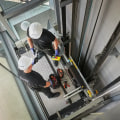
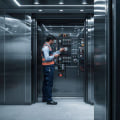
In the realm of modern architecture, elevator installation plays a pivotal role in enhancing accessibility and convenience within buildings. As urban spaces continue to grow vertically, the demand for efficient vertical transportation systems has surged. Elevators are no longer just a luxury; they are essential components that facilitate the movement of people and goods, making them integral to the functionality of residential, commercial, and industrial structures.The importance of building elevators extends beyond mere convenience. They significantly impact the overall design and usability of a building, influencing factors such as traffic flow, safety, and even property value.
As architects and developers strive to create more inclusive environments, understanding the nuances of elevator capacity and installation becomes crucial. This leads us to an intriguing question: is there a limit to how many elevators can be installed in a building?As we delve deeper into this topic, we will explore various factors that influence elevator installation, including building codes, structural considerations, and technological advancements. Each of these elements plays a vital role in determining not only the number of elevators that can be accommodated but also their efficiency and effectiveness in serving the needs of occupants. By examining these aspects, we can better appreciate the complexities involved in designing a building that meets modern demands while adhering to safety standards.
Factors Influencing Elevator Installation Limits
When considering elevator installation in a building, several critical factors come into play that can limit the number of elevators that can be effectively installed.Understanding these factors is essential for architects, builders, and property developers.
- Architectural Design: The overall design of the building significantly influences elevator capacity. Buildings with unique shapes or layouts may not accommodate multiple elevators without compromising structural integrity or aesthetic appeal. For instance, a building with a central atrium may only allow for elevators to be placed in specific locations.
- Building Codes: Local building codes dictate the minimum requirements for elevator installation, including safety standards and accessibility regulations. These codes often specify the number of elevators required based on the building's height and occupancy load, which can limit the total number of elevators that can be installed.
- Space Constraints: The available space within a building is another limiting factor.
Elevators require not only the shaft space but also room for machinery and maintenance access. In densely populated urban areas, where land is at a premium, finding adequate space for multiple elevators can be challenging.
- Elevator Capacity Limits: Each elevator has a maximum capacity, typically measured in weight and number of passengers. The total number of elevators needed will depend on the expected traffic flow within the building. High-rise buildings may require more elevators to efficiently manage peak usage times, while low-rise buildings might function adequately with fewer units.
- Cost Considerations: The financial aspect cannot be overlooked.
Installing additional elevators increases construction costs significantly. Developers must balance the need for sufficient elevator service against budget constraints, which may lead to limiting the number of installations.
Building Codes and Regulations
When considering elevator installation in a building, it is crucial to understand the various building codes and regulations that govern this process. These codes are designed to ensure safety, accessibility, and structural integrity, which can directly influence the number of elevators that can be installed in a given structure.Building codes
vary by location, but they generally include guidelines on the minimum number of elevators required based on the building's height and occupancy.For instance, high-rise buildings often have stricter requirements compared to low-rise structures. The International Building Code (IBC) is a widely adopted set of regulations that many states and municipalities reference when establishing their own codes.In addition to height and occupancy, elevator regulations also take into account the type of building—residential, commercial, or mixed-use. For example:
- Residential Buildings: Typically require at least one elevator if they exceed three stories.
- Commercial Buildings: May need multiple elevators depending on the number of floors and expected foot traffic.
- Mixed-Use Developments: Often have unique requirements that consider both residential and commercial needs.
Compliance with these standards ensures that elevators can safely accommodate the expected load and usage patterns.Ultimately, while there may not be a strict numerical limit on how many elevators can be installed in a building, adherence to local building codes, safety standards, and regulations will dictate practical limitations. Engaging with local authorities early in the planning process can help clarify these requirements and ensure that your elevator installation meets all necessary guidelines.
Architectural Considerations for Elevator Installation
When planning for elevator installation, several architectural considerations must be taken into account to ensure functionality, safety, and compliance with building codes. One of the primary factors is the space requirements for elevators, which can vary significantly based on the type and number of elevators being installed.Elevator shafts
are a critical component of this planning process. The design of the elevator shaft must accommodate not only the elevator car but also the necessary machinery and safety systems.Typically, a standard passenger elevator requires a shaft that is at least 5 feet wide and 6 feet deep, although these dimensions can change based on the specific model and capacity.
- Clearance Requirements: Adequate headroom is essential; most elevators need at least 10 to 12 feet of vertical space above the top of the car.
- Accessibility: The design must comply with ADA (Americans with Disabilities Act) standards, ensuring that elevators are accessible to all users.
- Structural Integrity: The building's structure must support the weight and movement of the elevator system, which may require additional reinforcements.
Elevator Capacity and Traffic Analysis
When planning for elevator installation, understanding elevator capacity and conducting a thorough traffic analysis are crucial steps in determining the optimal number of elevators for a building.These factors not only influence the efficiency of vertical transportation but also impact the overall user experience.
Elevator Capacity Analysis
- The capacity of an elevator is typically measured in terms of weight (usually in pounds) or the number of passengers it can accommodate. A standard passenger elevator can hold about 2,500 to 3,500 pounds, which translates to approximately 15 to 20 passengers.
- To determine the required capacity, consider the building's expected occupancy and usage patterns. For instance, a high-rise office building with a large number of employees will require elevators with higher capacity compared to a residential building.
Traffic Flow in Buildings
- Analyzing traffic flow involves studying how people move within the building at different times of the day. Peak hours, such as morning arrivals and lunchtime, often see increased demand for elevators.
- Utilizing tools like traffic simulation software can help predict elevator usage patterns and identify potential bottlenecks.
This data is essential for making informed decisions about the number and type of elevators needed.
Elevator Performance Metrics
- Key performance metrics include wait time, travel time, and handling capacity. Ideally, wait times should be minimized to enhance user satisfaction.
- A common benchmark is that average wait times should not exceed 30 seconds during peak hours. If analysis indicates longer wait times, it may be necessary to increase the number of elevators or optimize their operation.
Technological Advances in Elevator Systems
Recent technological advances in elevator systems have significantly transformed the landscape of elevator installation, allowing for greater efficiency and flexibility in building design.One of the most notable innovations is the development of smart elevators, which utilize advanced algorithms and machine learning to optimize travel routes and reduce wait times. These systems can analyze traffic patterns in real-time, adjusting their operations based on user demand, which can lead to a more efficient use of space and resources.Additionally, the introduction of maglev (magnetic levitation) technology has revolutionized elevator performance. Unlike traditional cable-driven systems, maglev elevators use magnetic forces to lift and lower the cabin, allowing for smoother rides and faster speeds. This technology not only enhances user experience but also reduces the physical footprint required for elevator shafts, potentially increasing the number of elevators that can be installed in a building.Another significant advancement is the integration of IoT (Internet of Things)
This connectivity allows for remote monitoring and predictive maintenance, ensuring that elevators operate efficiently and reducing downtime. Building managers can receive real-time data on elevator performance, enabling them to make informed decisions about maintenance schedules and operational adjustments.Furthermore, innovations in sustainable elevator technology, such as regenerative drives, are becoming increasingly popular. These systems capture energy generated during descent and feed it back into the building's power grid, promoting energy efficiency and reducing operational costs.In conclusion, as elevator technology continues to evolve, the limits on how many elevators can be installed in a building are being redefined. With advancements in smart systems, maglev technology, IoT integration, and sustainability practices, buildings can accommodate more elevators without compromising on space or efficiency.
Case Studies: Successful Elevator Installations
Elevator installations can significantly enhance the functionality and accessibility of a building.To illustrate this, we will explore a few case studies that highlight successful elevator installations, the challenges faced, and the lessons learned.
Case Study 1: The Skyline Tower
The Skyline Tower, a 30-story residential building in downtown Chicago, underwent a major renovation that included the installation of two new high-speed elevators. The project aimed to improve elevator efficiency and reduce wait times for residents.- What Worked: The use of advanced technology allowed for real-time monitoring of elevator performance, which helped in optimizing traffic flow.
- Challenges Faced: The installation process required significant structural modifications, which led to temporary disruptions for residents.
- Lessons Learned: Effective communication with residents during the installation phase was crucial in maintaining satisfaction.
Case Study 2: Greenfield Office Complex
The Greenfield Office Complex in San Francisco successfully integrated a bank of energy-efficient elevators as part of its sustainability initiative. This project not only focused on functionality but also on reducing the building's carbon footprint.- What Worked: The elevators were equipped with regenerative drives that harness energy during descent, contributing to overall energy savings.
- Challenges Faced: Coordinating the installation with ongoing construction activities posed logistical challenges.
- Lessons Learned: Early planning and collaboration with contractors ensured that elevator installation did not hinder other construction processes.
Common FAQs About Elevator Installation Limits
When considering elevator installation in a building, several common questions arise regarding the limits and regulations that govern this process.Below are some frequently asked questions that can help clarify these concerns.
1.Is there a maximum number of elevators allowed in a building?
While there is no strict maximum number of elevators that can be installed in a building, the decision is influenced by factors such as the building's height, occupancy, and intended use. Local building codes and regulations often dictate the minimum number of elevators required based on these factors.2.What factors determine the number of elevators needed?
- Building Height: Taller buildings typically require more elevators to efficiently serve all floors.
- Occupancy Load: The expected number of occupants can influence elevator capacity and quantity.
- Usage Patterns: Buildings with high traffic, such as hotels or office complexes, may need additional elevators to minimize wait times.
3.Are there any safety regulations regarding elevator installation?
Yes, safety regulations play a crucial role in elevator installation. Compliance with local and national codes, such as the American Society of Mechanical Engineers (ASME) A17.1, ensures that elevators are installed safely and function properly. These codes cover aspects like load capacity, emergency systems, and maintenance requirements.4.Can I install more elevators later if needed?
In many cases, it is possible to add more elevators after the initial installation.However, this process can be complex and may require significant structural modifications to accommodate additional shafts and machinery. It’s essential to consult with an experienced elevator contractor to assess feasibility and costs.
5.What are common concerns about elevator installation limits?
- Space Constraints: Limited space within the building may restrict the number of elevators that can be installed.
- Cost Implications: Each additional elevator increases installation and maintenance costs.
- Building Design: The architectural design may limit where elevators can be placed without compromising aesthetics or functionality.
Conclusion: Key Takeaways on Elevator Installation Limits
In conclusion, understanding the limits of elevator installation in buildings is crucial for architects, developers, and property managers. Several factors influence how many elevators can be installed, including:- Building Design: The architectural layout and height of the building play a significant role. Taller buildings typically require more elevators to ensure efficient vertical transportation.
- Local Regulations: Building codes and regulations often dictate the minimum number of elevators based on occupancy and safety standards.
Compliance with these regulations is essential.
- Traffic Patterns: Analyzing expected foot traffic can help determine the optimal number of elevators. High-traffic areas may necessitate additional units to prevent congestion.
- Space Constraints: The available space for elevator shafts can limit installation options. Developers must balance the need for elevators with other building functionalities.
By carefully evaluating these factors, stakeholders can ensure that their elevator installations meet both current needs and future demands.