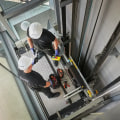
When considering elevator installation, understanding the necessary permits and approvals is crucial for ensuring a smooth and compliant process. Elevators are not just mechanical systems; they are integral components of building infrastructure that must adhere to strict safety and regulatory standards. Failing to secure the appropriate permits can lead to costly delays, fines, or even the need for costly modifications after installation. The requirements for elevator installation permits can vary significantly depending on local regulations, building codes, and the specific type of elevator being installed. For instance, residential elevators may have different requirements compared to commercial or industrial lifts.
It is essential to consult with local authorities or a qualified elevator contractor to understand the specific regulations that apply to your project. Moreover, obtaining the necessary approvals often involves submitting detailed plans and specifications for review. This process not only ensures compliance with safety standards but also helps in identifying potential issues before they arise. By prioritizing the understanding of elevator regulations, you can navigate the complexities of installation with confidence, ultimately leading to a safer and more efficient outcome.
Types of Elevators and Their Specific Requirements
When considering elevator installation, it is essential to understand the various types of elevators available and the specific permits required for each. The two primary categories are residential and commercial elevators, each with distinct regulations and approval processes.Residential Elevators
Residential elevators are designed for private homes and typically have a lower capacity than commercial models.The permit requirements for these elevators can vary significantly based on local building codes and regulations. Common requirements include:
- Building Permit: Most jurisdictions require a building permit before installation can begin. This ensures that the elevator meets safety standards and complies with zoning laws.
- Electrical Permits: Since residential elevators often require electrical work, an electrical permit may also be necessary to ensure that all wiring is up to code.
- Inspection Approval: After installation, a final inspection by a qualified inspector is usually required to confirm that the elevator operates safely and meets all local regulations.
Commercial Elevators
Commercial elevators are used in businesses, offices, and public buildings, and they must adhere to stricter regulations due to higher usage and safety concerns. The following permits are typically required:- Construction Permit: A construction permit is essential for any new commercial elevator installation, ensuring compliance with local building codes.
- Accessibility Compliance: Commercial elevators must comply with the Americans with Disabilities Act (ADA), which may require additional permits or modifications to ensure accessibility for all users.
- Fire Safety Approvals: Depending on the building's design, fire safety approvals may be necessary to ensure that the elevator system does not compromise the building's fire safety measures.
Always consult with local authorities or a professional elevator contractor to ensure compliance with all necessary regulations before beginning your project.
Local Building Codes and Regulations
When considering elevator installation, understanding and adhering to local building codes and regulations is crucial. These codes are designed to ensure safety, accessibility, and structural integrity, and they can vary significantly from one municipality to another. Failing to comply with these regulations can lead to costly fines, project delays, or even the need to remove or modify the installed elevator.Local building codes
typically cover a range of factors including:- Design specifications: These include the dimensions, load capacity, and materials used in the elevator system.
- Installation procedures: Guidelines on how the elevator should be installed to meet safety standards.
- Accessibility requirements: Regulations ensuring that elevators are accessible to individuals with disabilities, in compliance with the Americans with Disabilities Act (ADA).
- Inspection and maintenance: Requirements for regular inspections and maintenance schedules to ensure ongoing safety and compliance.
For instance, some states have their own licensing requirements for elevator contractors or specific safety standards that must be met during installation.Before proceeding with an elevator installation, it is advisable to consult with local authorities or a qualified contractor who is familiar with the relevant codes and regulations. This proactive approach not only helps in avoiding legal issues but also ensures that the installation is safe and compliant with all necessary standards.In summary, thorough knowledge of local building codes and elevator installation regulations is essential for a successful project. By prioritizing compliance, you can safeguard your investment and ensure the safety of all users.
Federal and State Regulations Impacting Elevator Installation
When it comes to elevator installation, understanding the federal and state regulations is crucial for compliance and safety. These regulations ensure that elevators are not only functional but also accessible to all individuals, including those with disabilities.Federal Elevator Regulations
At the federal level, the Americans with Disabilities Act (ADA) plays a significant role in elevator installation.The ADA mandates that all public buildings must be accessible to individuals with disabilities, which includes the installation of elevators in multi-story buildings. Compliance with the ADA ensures that elevators are equipped with features such as:
- Accessible controls: Elevator buttons must be positioned within reach for individuals in wheelchairs.
- Audible and visual signals: Elevators should have both sound and light indicators to assist those with hearing or vision impairments.
- Size requirements: Elevators must be large enough to accommodate wheelchairs and mobility devices.
State Elevator Laws
In addition to federal regulations, each state has its own set of laws governing elevator installation. These laws can vary significantly, so it is essential to consult local building codes and regulations. Common state requirements may include:- Permits: Most states require specific permits before installation can begin, ensuring that all safety standards are met.
- Inspections: After installation, elevators typically must pass a state inspection to verify compliance with safety standards.
- Licensing: Contractors performing elevator installations may need to hold specific licenses or certifications as mandated by state law.
Therefore, it is imperative for contractors and building owners to stay informed about both federal and state regulations regarding elevator installation.
The Permit Application Process
When it comes to elevator installation, navigating the permit application process is crucial to ensure compliance with local regulations and safety standards. Here’s a step-by-step guide to help you through the necessary approvals.- Research Local Regulations: Before starting your application, familiarize yourself with the specific requirements in your area. Different states and municipalities may have varying codes regarding elevator installations.
- Gather Required Documentation: Prepare all necessary documents, which typically include:
- Architectural plans or blueprints of the installation site
- Specifications of the elevator model
- Proof of compliance with safety standards (e.g., ASME A17.1)
- Site plans showing the location of the elevator
- Submit Your Application: Once you have all your documents ready, submit your application to the appropriate local authority. This could be a city planning department or a building inspector's office.
- Pay Applicable Fees: Be prepared to pay any fees associated with the permit application.
These fees can vary widely depending on your location and the complexity of the installation.
- Schedule Inspections: After submitting your application, you may need to schedule inspections at various stages of the installation process. This ensures that all work complies with safety codes and regulations.
- Obtain Final Approval: Once all inspections are passed, you will receive final approval for your elevator installation. Keep this documentation for future reference and compliance checks.
Common Challenges in Obtaining Elevator Permits
Obtaining the necessary permits for elevator installation can be a daunting task, often fraught with various challenges.Understanding these common hurdles can help streamline the process and ensure compliance with local regulations.
- Complex Regulations: Different jurisdictions have varying codes and regulations regarding elevator installations. Navigating these can be overwhelming, especially for first-time applicants. It’s crucial to familiarize yourself with local building codes and safety standards.
- Documentation Requirements: The permit application process typically requires extensive documentation, including architectural plans, engineering reports, and safety assessments. Missing or incomplete documents can lead to delays.
To overcome this, create a checklist of required documents and ensure everything is in order before submission.
- Approval Timelines: The time it takes to receive approval can vary significantly. Some municipalities may take weeks or even months to process applications. To mitigate this, consider applying during off-peak times or following up regularly with the permitting office to check on your application status.
- Community Concerns: Local residents may have concerns about the impact of new elevator installations, leading to objections that can stall the approval process. Engaging with the community early on and addressing their concerns can foster goodwill and facilitate smoother approvals.
- Cost Implications: Permit fees can add up quickly, especially if multiple revisions are needed.
Budgeting for these costs upfront and being prepared for potential additional fees can help avoid financial strain.
Frequently Asked Questions About Elevator Installation Permits
When considering elevator installation, many property owners have questions about the necessary permits and approvals. Here are some of the most frequently asked questions:- What types of permits are required for elevator installation?
Typically, you will need a building permit, electrical permit, and possibly a mechanical permit, depending on your local regulations. Each type of permit ensures that the installation meets safety and building codes. - How long does it take to obtain these permits?
The timeline for obtaining permits can vary significantly based on your location and the complexity of the installation.Generally, it can take anywhere from a few weeks to several months. It’s advisable to start the permitting process early to avoid delays.
- Do I need to hire a licensed contractor for elevator installation?
Yes, most jurisdictions require that elevator installations be performed by licensed contractors who specialize in this field. This ensures that the installation is done correctly and complies with all safety regulations. - Are there inspections required during the installation process?
Yes, inspections are typically required at various stages of the installation. These inspections help ensure that the work is being done according to code and that the elevator will operate safely. - What happens if I don’t obtain the necessary permits?
Failing to obtain the required permits can lead to significant fines, legal issues, and may even require you to remove or redo the installation.It’s crucial to follow all local regulations to avoid these complications.
Conclusion: Navigating Elevator Installation Approvals Successfully
In conclusion, navigating the elevator installation process requires a thorough understanding of the necessary permits and approvals. As we have discussed, each step in this journey is crucial to ensure safety, compliance, and functionality. First and foremost, it is essential to recognize that local regulations can vary significantly. Therefore, engaging with your local building department early in the planning phase can save time and resources. They can provide specific guidelines on the required documentation and inspections needed for your project. Additionally, obtaining a construction permit is typically one of the first steps in the elevator installation process.This permit ensures that your project meets local building codes and safety standards. Following this, you may also need to secure an elevator permit, which specifically addresses the installation and operation of the elevator system. Moreover, it is advisable to consult with a licensed elevator contractor who is familiar with the local regulations. Their expertise can help streamline the approval process and ensure that all necessary inspections are conducted promptly. Finally, remember that compliance does not end once the elevator is installed. Regular maintenance and periodic inspections are often mandated by law to ensure ongoing safety and functionality. By understanding these key points and proactively managing the permit process, you can navigate the complexities of elevator installation with confidence, ensuring a successful outcome for your project.