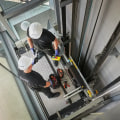
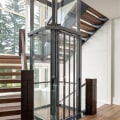
In the realm of modern architecture, elevator customization has emerged as a pivotal aspect of building design. As structures grow taller and more complex, the need for elevators that not only function efficiently but also align with the overall aesthetic vision becomes increasingly important. This is where elevator installation options come into play, allowing architects and designers to create spaces that are both practical and visually appealing. Elevators are no longer just utilitarian devices; they are integral components of a building's identity. From luxurious residential complexes to sleek commercial spaces, the ability to tailor an elevator's design to fit specific design preferences can significantly enhance the user experience.
Customization can range from selecting unique materials and finishes to incorporating advanced technology that complements the building's style. Moreover, understanding the nuances of elevator installation options is essential for achieving a seamless integration into the architectural framework. Whether it’s a glass elevator that offers panoramic views or a traditional model with ornate details, each choice reflects a commitment to quality and design excellence. As we delve deeper into this topic, we will explore how various customization options can transform elevators from mere transportation tools into stunning focal points that elevate the entire environment.
The Importance of Aesthetic in Elevator Design
The aesthetic of an elevator plays a crucial role in the overall design of a building. As elevators are often one of the first points of interaction for visitors, their design can significantly influence the first impression of a space.A well-designed elevator not only enhances the visual appeal but also contributes to the ambiance and functionality of the environment.Incorporating aesthetic considerations into elevator installation is essential for several reasons:
- User Experience: Elevators that reflect the building's style create a cohesive experience for users. Whether it’s a sleek, modern design or a more traditional look, aligning the elevator's aesthetics with the overall architecture enhances comfort and satisfaction.
- Brand Identity: For commercial buildings, elevators can serve as a branding tool. Custom designs that incorporate company colors or logos can reinforce brand identity and make a lasting impression on clients and customers.
- Value Addition: Aesthetic elevators can increase property value. Prospective buyers or tenants often consider the quality and design of common areas, including elevators, when making decisions.
From glass walls that offer panoramic views to customizable lighting options, modern elevators are becoming more than just functional spaces; they are integral parts of the building's aesthetic narrative. Materials such as stainless steel, wood paneling, and high-quality fabrics are being used to create luxurious interiors that resonate with users.When planning an elevator installation, it’s important to consider how these elements will fit into the broader design scheme. Collaborating with architects and designers can ensure that the elevator not only meets functional requirements but also enhances the overall aesthetic appeal of the building.
Types of Customization Available for Elevators
When it comes to elevator installation, customization options are vast and can significantly enhance both functionality and aesthetics. Here are some of the key types of customization available for elevators:- Materials: Elevators can be constructed from a variety of materials, including stainless steel, glass, wood, and even stone.
Each material offers a unique look and feel, allowing for seamless integration into the surrounding architecture.
- Finishes: The finish of an elevator can dramatically affect its appearance. Options range from polished chrome to brushed nickel, and even custom paint colors. This flexibility allows for a tailored look that matches the overall design theme of the building.
- Lighting: Custom lighting solutions can transform the ambiance of an elevator. Options include LED lights, mood lighting, and decorative fixtures that not only illuminate but also enhance the aesthetic appeal.
- Control Systems: Modern elevators can be equipped with advanced control systems that allow for personalized user experiences.
Touchless controls, smart technology integration, and customizable buttons can all be tailored to meet specific needs.
Factors to Consider When Customizing Elevators
When considering elevator installation, customization can significantly enhance both the functionality and aesthetic appeal of the elevator. However, several key factors must be taken into account to ensure a successful integration into your space.- Safety Regulations: Compliance with local and national safety codes is paramount.
Custom elevators must meet specific standards to ensure the safety of users. This includes weight limits, emergency protocols, and accessibility features.
- Space Constraints: The physical dimensions of the installation site will dictate many aspects of customization. Considerations such as ceiling height, door width, and available shaft space are crucial. A well-planned design will maximize efficiency while adhering to these spatial limitations.
- Budget Considerations: Customizing an elevator can be a significant investment.
It’s essential to establish a clear budget that encompasses not only the initial installation costs but also ongoing maintenance and potential upgrades. Prioritize features that align with your needs and aesthetic goals without compromising on quality.
- Choosing Elevator Features: The selection of materials, finishes, and technology can greatly influence the overall look and feel of the elevator. Options range from luxurious wood paneling to sleek stainless steel, as well as advanced control systems that enhance user experience. Balancing these choices with practical functionality is key.
By considering these factors, you can create an elevator that not only meets your design preferences but also serves its intended purpose effectively.
Popular Design Trends in Elevator Customization
As we move through 2023, the world of elevator installation is witnessing a remarkable shift towards customization that reflects modern aesthetics and functionality. Here are some of the most popular design trends in elevator customization that are shaping the industry.- Minimalist Designs: The trend towards minimalism continues to dominate, with clean lines and uncluttered spaces. Elevators are being designed to blend seamlessly into their surroundings, often featuring glass walls and simple control panels that enhance the overall aesthetic.
- Smart Technology Integration: Modern elevators are increasingly incorporating smart technology, allowing for features such as touchless controls and personalized settings. This not only improves user experience but also adds a sleek, high-tech look to the elevator.
- Natural Materials: There is a growing preference for elevators that utilize natural materials like wood, stone, and metal.
These materials not only provide durability but also create a warm and inviting atmosphere, making the elevator feel more like an extension of the building's interior design.
- Custom Lighting Solutions: Innovative lighting designs are becoming a focal point in elevator customization. LED lights can be programmed to change colors or intensities, enhancing the mood and ambiance within the elevator space.
- Artistic Elements: Elevators are now being viewed as canvases for artistic expression. Custom murals, digital displays, and unique panel designs allow for personalization that reflects the building's identity or the owner's taste.
Case Studies: Successful Elevator Customization Projects
Elevator customization has become a pivotal aspect of modern architecture, allowing for unique design expressions that enhance both functionality and aesthetics.Here are some notable case studies that exemplify successful elevator installations tailored to specific design preferences.
1.The Luxurious Hotel Atrium
In a high-end hotel located in downtown Chicago, the owners sought to create a stunning visual impact in their atrium. They opted for a glass elevator that not only provided seamless views of the surrounding architecture but also complemented the hotel’s modern design. The elevator was equipped with customizable LED lighting that changed colors based on the time of day, enhancing the guest experience while maintaining energy efficiency.2.Residential High-Rise with Artistic Flair
A luxury residential building in New York City featured an elevator installation that was as much a piece of art as it was a functional element. The developers collaborated with local artists to create custom elevator doors adorned with intricate murals reflecting the neighborhood's culture.This not only added a unique touch but also fostered community engagement, making the elevator a talking point among residents and visitors alike.
3.Corporate Office with Brand Integration
A tech company in Silicon Valley wanted their office space to reflect their innovative spirit. They chose to install elevators with custom branding, featuring their logo and color scheme throughout the interior. The elevators were designed with smart technology, allowing employees to select floors via an app, which integrated seamlessly into their daily workflow.4.Historical Building Restoration
During the restoration of a historic building in Boston, the challenge was to install an elevator that met modern safety standards while preserving the building's original charm. The solution involved a custom-built hydraulic elevator that fit within the existing architecture without compromising its historical integrity.The elevator's wooden paneling and brass fixtures were designed to match the building's period style, creating a harmonious blend of old and new.These case studies illustrate how thoughtful elevator customization can significantly enhance both functionality and aesthetic appeal in various settings. By considering design elements such as materials, technology, and branding, architects and developers can create elevators that not only serve their purpose but also contribute to the overall ambiance of the space.
FAQs About Elevator Customization and Installation
When considering elevator installation, many people have questions about customization options. Here are some frequently asked questions that can help clarify the process:- Can elevators be customized to match my building's design?
Yes, elevators can be tailored to fit specific design aesthetics. This includes choices in materials, colors, and finishes that complement the overall architecture of your building. - What types of custom features are available?
Custom features can range from unique cabin designs, lighting options, and flooring materials to advanced technology like touchless controls and smart systems. - How does the customization process work?
The customization process typically begins with a consultation where you discuss your vision with an elevator installation expert.They will provide options based on your preferences and the technical requirements of your building.
- Are there additional costs associated with customization?
Yes, while standard elevator installations have a set price, customized options can increase the overall cost. It's essential to budget for these enhancements during the planning phase. - How long does it take to install a customized elevator?
The timeline for installation can vary based on the complexity of the customization. Generally, it may take longer than standard installations due to the additional design and engineering work involved.
Conclusion: The Future of Customized Elevators in Design
As we look towards the future of elevator installation, it is clear that customization will play a pivotal role in shaping the aesthetics and functionality of these essential components in modern architecture.The demand for elevators that not only serve a practical purpose but also enhance the overall design of a space is on the rise.Throughout this article, we have explored various aspects of how elevators can be tailored to meet specific design preferences. From materials and finishes to lighting and control systems, the possibilities for customization are virtually limitless. This trend reflects a broader movement in architecture and interior design, where every element is considered for its visual impact and user experience.
Key Takeaways
- Integration of Technology: Future elevator installations will likely incorporate advanced technologies that allow for even greater customization, such as smart controls and personalized user interfaces.
- Sustainability: As environmental concerns grow, customized elevators will increasingly focus on sustainable materials and energy-efficient designs, aligning with eco-friendly building practices.
- Aesthetic Versatility: The ability to choose from a wide range of styles, colors, and finishes will enable architects and designers to create cohesive environments that reflect their vision.
By embracing customization, we can transform elevators from mere transportation devices into integral elements of architectural beauty.