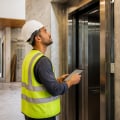
When it comes to elevator installation, understanding the distinct requirements for commercial and residential buildings is crucial. Elevators serve as vital components in both types of structures, facilitating movement and enhancing accessibility. However, the regulations and specifications governing their installation can vary significantly based on the building's purpose, size, and occupancy. This differentiation is essential not only for compliance with safety standards but also for ensuring optimal functionality and user experience. In commercial buildings, elevators are often designed to accommodate higher traffic volumes and larger loads.
They must meet stringent codes that address factors such as speed, capacity, and safety features. For instance, commercial elevators may require advanced technology like destination dispatch systems to efficiently manage the flow of people during peak hours. On the other hand, residential elevators typically focus on comfort and convenience, often featuring more personalized designs that blend seamlessly with home aesthetics. As we delve deeper into the specific requirements for elevator installation, it becomes evident that both commercial and residential settings have unique challenges and considerations. From understanding local building codes to selecting the right type of elevator system, each aspect plays a pivotal role in ensuring that the installation process meets all necessary standards while providing a safe and efficient means of vertical transportation.
Overview of Elevator Types
When considering elevator installation, it is essential to understand the different types of elevators available for both commercial and residential buildings.Each type serves specific functions and is designed to meet varying needs based on the building's purpose.
Types of Elevators
- Passenger Elevators: Commonly found in both commercial and residential settings, these elevators are designed to transport people between floors. They can be hydraulic, traction, or machine-room-less (MRL) systems.
- Freight Elevators: Primarily used in commercial buildings, freight elevators are built to carry heavy loads, such as goods and equipment. They have larger dimensions and more robust mechanisms compared to passenger elevators.
- Service Elevators: These are often used in hotels and restaurants for transporting staff and supplies. They are similar to freight elevators but may also accommodate passengers.
- Residential Elevators: Designed specifically for homes, these elevators are smaller and can be installed in existing structures.
They offer convenience for multi-story living and can be customized to fit aesthetic preferences.
- Wheelchair Lifts: These are essential for accessibility in both commercial and residential buildings. They provide a means for individuals with mobility challenges to access different levels without the need for a full elevator installation.
This knowledge not only aids in selecting the right elevator but also ensures that the installation process meets all necessary safety and operational standards.
Regulatory Standards for Elevator Installation
When it comes to elevator installation, understanding the regulatory standards is crucial for both commercial and residential buildings. These regulations ensure that elevators are safe, reliable, and accessible to all users. The requirements can vary significantly based on the type of building, primarily due to differences in usage, occupancy, and safety needs.Local Building Codes
- Local building codes dictate the specific requirements for elevator installation. These codes are often influenced by national standards but can include additional stipulations based on regional safety concerns.
- Commercial buildings typically face stricter regulations due to higher foot traffic and the need for compliance with the Americans with Disabilities Act (ADA), which mandates accessibility features.
- Residential buildings may have more lenient codes, especially if they are low-rise structures or private homes.
Safety Standards
- The National Elevator Industry, Inc.
(NEII) and the American Society of Mechanical Engineers (ASME) provide guidelines that must be followed during installation. These standards cover everything from the materials used to the operational safety features of elevators.
- In commercial settings, elevators must often include advanced safety mechanisms such as emergency communication systems and automatic recall features in case of power failure.
- Residential elevators may not require all the same features but still must adhere to basic safety protocols to protect users.
Key Differences in Elevator Requirements: Commercial vs. Residential
When it comes to elevator installation, the requirements for commercial buildings differ significantly from those for residential buildings.Understanding these differences is crucial for architects, builders, and property owners to ensure compliance with safety regulations and to meet the specific needs of the building's occupants.
Size and Capacity
One of the primary distinctions between commercial and residential elevators is their size and capacity. Commercial elevators are typically larger, designed to accommodate more passengers and heavier loads. For instance, a standard commercial elevator can carry up to 2,500 pounds or more, while residential elevators usually have a maximum capacity of around 1,000 to 1,500 pounds. This difference is essential for buildings that experience high foot traffic or need to transport goods.Design Considerations
The design of elevators in commercial settings also varies.Commercial elevators often feature more robust materials and finishes to withstand frequent use and potential wear and tear. Additionally, they may include advanced technology such as touchless controls or smart systems that enhance user experience and efficiency. In contrast, residential elevators tend to focus on aesthetics and comfort, often incorporating design elements that blend seamlessly with home interiors.
Regulatory Compliance
Another critical aspect is the regulatory compliance. Commercial elevators must adhere to stricter codes and standards set by organizations such as the American Society of Mechanical Engineers (ASME) and local building codes.These regulations cover aspects like safety features, accessibility (such as compliance with the Americans with Disabilities Act), and maintenance protocols. Residential elevators, while still subject to safety standards, generally face less stringent regulations.
Installation Differences
The installation process for commercial elevators is often more complex due to their size and the need for specialized equipment. This may involve significant structural modifications to accommodate larger shafts and machinery. In contrast, residential elevator installations can be less invasive, often requiring only minor adjustments to existing structures.In summary, understanding the key differences in elevator requirements between commercial and residential buildings is vital for ensuring proper functionality, safety, and compliance during the elevator installation process.Space and Structural Considerations for Elevator Installation
When it comes to elevator installation, understanding the spatial and structural requirements is crucial for both commercial and residential buildings.Each type of building presents unique challenges and considerations that must be addressed to ensure a safe and efficient elevator system.
Elevator Shaft Requirements
The elevator shaft is a critical component in the installation process. In commercial buildings, shafts are typically larger and designed to accommodate higher traffic volumes. This often means wider doors and larger cabins to facilitate the movement of goods and people. In contrast, residential elevators may have smaller shafts, as they are designed for fewer passengers and lighter loads.Structural Support for Elevators
Another important aspect is the structural support needed for the elevator system.Commercial buildings often require reinforced structures to support heavier and more frequent use. This can involve additional steel framing or concrete reinforcements to ensure stability and safety. Residential elevators, while still needing adequate support, generally have less demanding requirements due to their lighter usage.
Space Requirements for Elevators
Space considerations also differ significantly between commercial and residential installations. In commercial settings, elevators must be strategically placed to optimize traffic flow, often necessitating larger lobbies and waiting areas.This can lead to more extensive planning during the design phase. On the other hand, residential elevators can be installed in tighter spaces, such as within existing stairwells or alongside hallways, making them more versatile in terms of placement.
- Commercial Buildings: Larger shafts, reinforced structures, optimized traffic flow.
- Residential Buildings: Smaller shafts, lighter structural requirements, flexible placement options.
Cost Factors in Elevator Installation
When considering elevator installation, understanding the cost factors is crucial for both commercial and residential buildings. The expenses associated with installing an elevator can vary significantly based on several key elements.Cost Comparison: Commercial vs.
Residential ElevatorsGenerally, commercial elevators tend to be more expensive than their residential counterparts. This is primarily due to the following reasons:
- Capacity and Size: Commercial elevators are designed to accommodate larger loads and more passengers, which necessitates a more robust construction and higher capacity components.
- Code Compliance: Commercial buildings must adhere to stricter building codes and safety regulations, often requiring additional features such as fire-rated doors and emergency systems.
- Customization: Businesses may require customized solutions tailored to their specific needs, which can increase installation costs.
Budgeting for Elevator Installation
When budgeting for elevator installation, it’s essential to consider not only the initial costs but also ongoing maintenance and operational expenses. Here are some factors to keep in mind:- Initial Costs: This includes the purchase price of the elevator, installation labor, and any necessary modifications to the building structure.
- Maintenance Costs: Regular maintenance is vital for safety and longevity. Commercial elevators typically incur higher maintenance costs due to their usage frequency.
- Energy Efficiency: Investing in energy-efficient models may have a higher upfront cost but can lead to significant savings in energy bills over time.
Maintenance Requirements for Elevators in Different Settings
When it comes to elevator installation in commercial versus residential buildings, the maintenance requirements can vary significantly due to differences in usage, traffic, and regulatory standards.Understanding these differences is crucial for ensuring safety and longevity.
Commercial Elevator Maintenance
In commercial settings, elevators are often subjected to higher traffic volumes and more frequent use. As a result, the maintenance schedule is typically more rigorous. Key aspects include:- Monthly Inspections: Commercial elevators usually require monthly inspections to ensure all components are functioning correctly.
- Load Testing: Regular load testing is essential to verify that the elevator can handle its maximum capacity safely.
- Emergency Systems Check: Monthly checks of emergency systems, such as alarms and communication devices, are critical for passenger safety.
- Cleaning and Lubrication: Frequent cleaning of the machinery and lubrication of moving parts help prevent wear and tear.
Residential Elevator Upkeep
In contrast, residential elevators generally experience less wear and tear due to lower usage. However, they still require regular maintenance to ensure safety and efficiency:- Biannual Inspections: Residential elevators typically need inspections every six months, focusing on essential components like cables and brakes.
- Routine Cleaning: Homeowners should regularly clean the elevator shaft and car to prevent dust accumulation that could affect performance.
- Emergency Preparedness: Home elevators should have a clear emergency plan in place, including regular checks of backup power systems.
Adhering to these maintenance protocols not only enhances safety but also extends the lifespan of the elevator system.
Frequently Asked Questions about Elevator Installation
When considering elevator installation, many people have questions regarding the differences between commercial and residential settings. Here are some frequently asked questions that can help clarify these concerns:- What are the main differences in elevator requirements for commercial versus residential buildings?
Commercial buildings typically require elevators that can handle higher traffic volumes and larger weight capacities. They often need to comply with stricter regulations, such as those set by the Americans with Disabilities Act (ADA), which mandates accessibility features. In contrast, residential elevators may focus more on aesthetics and comfort, with fewer stringent requirements. - Are there specific codes that must be followed for elevator installation?
Yes, both commercial and residential elevators must adhere to local building codes and safety standards.The National Elevator Industry, Inc. (NEII) provides guidelines that are often referenced. It's crucial to consult with a licensed elevator contractor to ensure compliance.
- How long does the installation process typically take?
The duration of elevator installation can vary significantly based on the type of elevator and the complexity of the project. Residential installations may take a few days to a week, while commercial installations can take several weeks or even months due to their scale and regulatory requirements. - What are common concerns during elevator installation?
Common concerns include ensuring proper space allocation, minimizing disruption during installation, and addressing safety measures for both workers and future users.Additionally, property owners often worry about the long-term maintenance costs associated with their elevators.
Conclusion: Key Takeaways on Elevator Installation Requirements
In summary, understanding the differences in elevator installation requirements between commercial and residential buildings is crucial for ensuring safety, compliance, and functionality. Here are the key takeaways:- Regulatory Standards: Commercial elevators must adhere to stricter codes and regulations, such as the Americans with Disabilities Act (ADA) and local building codes, which often require more extensive safety features compared to residential elevators.
- Capacity and Size: Commercial elevators are typically designed to accommodate larger loads and more passengers, necessitating a different approach to elevator installation. In contrast, residential elevators are often smaller and can be customized for individual home needs.
- Usage Frequency: The frequency of use in commercial settings is significantly higher than in residential buildings.
This impacts the choice of materials, maintenance schedules, and overall design considerations during elevator installation.
- Design Flexibility: Residential elevators often offer more design flexibility to match home aesthetics, while commercial elevators prioritize functionality and durability.
- Maintenance Requirements: Regular maintenance is essential for both types of elevators, but commercial elevators may require more frequent inspections and servicing due to their higher usage rates.