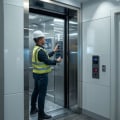
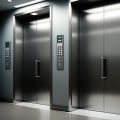
In the realm of modern architecture, elevator installation plays a pivotal role in enhancing accessibility and convenience within buildings. As urban spaces continue to evolve, the demand for efficient vertical transportation systems has surged. Elevators are no longer just a luxury; they are essential components that facilitate the movement of people and goods, making them integral to the functionality of residential, commercial, and industrial structures. When considering elevator installation, it is crucial to understand the various types of elevators available. From traditional hydraulic systems to cutting-edge machine-room-less (MRL) elevators, each type offers unique advantages tailored to specific building requirements.
Hydraulic elevators are known for their reliability and smooth operation, while MRL elevators provide a space-saving solution that is ideal for smaller buildings. Additionally, traction elevators are favored for their energy efficiency and speed, making them suitable for high-rise applications. As we delve deeper into the topic of elevator systems, it becomes evident that advancements in technology have paved the way for more sustainable options. Energy-efficient elevators not only reduce operational costs but also contribute to a building's overall sustainability goals. Understanding these options is essential for architects, builders, and property owners who aim to create environmentally friendly spaces without compromising on performance or safety.
The Importance of Energy Efficiency in Elevator Installation
In today's world, the importance of energy efficiency in elevator installation cannot be overstated.As urbanization continues to rise, buildings are becoming taller and more complex, leading to an increased demand for elevators. However, this demand also brings with it significant energy consumption, which can have detrimental effects on both the environment and operational costs.Energy-efficient elevators are designed to minimize energy use while maintaining optimal performance. These systems often incorporate advanced technologies such as regenerative drives, which capture and reuse energy generated during the elevator's operation. This not only reduces the overall energy consumption but also contributes to lower utility bills over time.
Benefits of Energy-Efficient Elevators
- Cost Savings: By utilizing less energy, these elevators can significantly reduce electricity costs, leading to substantial savings for building owners.
- Environmental Impact: Energy-efficient elevators contribute to a decrease in greenhouse gas emissions, aligning with global sustainability goals and reducing the carbon footprint of buildings.
- Increased Property Value: Buildings equipped with energy-efficient systems are often more attractive to tenants and buyers, enhancing overall property value.
- Compliance with Regulations: Many regions have implemented stricter building codes that require energy-efficient installations, making compliance easier with modern elevator systems.
For instance, some manufacturers now offer elevators that use less water and materials during their production and installation processes. This holistic approach not only benefits the environment but also promotes a culture of sustainability within the construction industry.In conclusion, prioritizing energy efficiency in elevator installation is not just a trend; it is a necessary step towards creating sustainable urban environments. By choosing energy-efficient options, building owners can enjoy long-term financial benefits while contributing positively to the planet.
Types of Energy-Efficient Elevators
When considering energy-efficient elevator installation, it’s essential to understand the different types of elevators available, each offering unique features that contribute to energy savings.Hydraulic Elevators
Hydraulic elevators operate using a fluid-driven piston that moves the elevator car. While traditional hydraulic systems can be less energy-efficient, modern designs incorporate regenerative drives that capture excess energy during descent and feed it back into the building's power system.This technology significantly reduces energy consumption, making hydraulic elevators a viable option for low-rise buildings.
Traction Elevators
Traction elevators use a system of ropes and pulleys to lift the elevator car. They are generally more energy-efficient than hydraulic elevators, especially in mid to high-rise buildings. The latest traction systems utilize variable frequency drives (VFDs), which adjust the motor speed based on demand, minimizing energy use during operation. Additionally, these elevators can be equipped with LED lighting and smart controls that further enhance their energy efficiency.Machine-Room-Less Elevators (MRL)
Machine-room-less elevators are a modern innovation that eliminates the need for a separate machine room, allowing for more efficient use of space.These elevators typically feature gearless traction systems, which reduce energy consumption by minimizing mechanical losses. MRL elevators also often come with advanced control systems that optimize travel patterns and reduce wait times, leading to lower overall energy usage. In summary, when exploring energy-efficient elevator installation, consider hydraulic, traction, and machine-room-less options. Each type offers distinct advantages in terms of energy savings and operational efficiency, making them suitable choices for various building types and needs.
Innovative Technologies in Elevator Design
In the quest for energy-efficient elevator installation, innovative technologies are paving the way for smarter and more sustainable systems. These advancements not only reduce energy consumption but also enhance user experience and operational efficiency.Regenerative Drives
One of the most significant breakthroughs in elevator technology is the implementation of regenerative drives.These systems capture the energy generated during the elevator's descent and convert it into electricity, which can then be reused to power other building systems or fed back into the grid. This process can lead to energy savings of up to 30%, making it a vital component in modern elevator installations.
Smart Elevators
Smart elevators utilize advanced algorithms and machine learning to optimize their operation. By analyzing traffic patterns and user behavior, these elevators can predict demand and adjust their service accordingly. This not only minimizes wait times but also reduces unnecessary trips, further conserving energy.Features such as destination dispatch systems allow passengers to select their floor before entering the elevator, streamlining the process and enhancing efficiency.
The Role of IoT in Elevators
The integration of the Internet of Things (IoT) in elevator systems is another game-changer. IoT-enabled elevators can communicate with building management systems to monitor performance in real-time, allowing for predictive maintenance and reducing downtime. This proactive approach not only extends the lifespan of the equipment but also ensures that elevators operate at peak efficiency, contributing to overall energy savings.As technology continues to evolve, the future of elevator installation looks promising. By embracing these innovative solutions, building owners can significantly reduce their energy footprint while providing a modern and efficient transportation solution for occupants.Cost Considerations for Energy-Efficient Elevator Installation
When considering energy-efficient elevator installation, it is crucial to evaluate both the initial costs and the potential long-term savings.While the upfront investment for energy-efficient elevators may be higher than traditional models, the financial benefits over time can be significant.
Initial Costs
The cost of energy-efficient elevators typically includes advanced technologies such as regenerative drives, LED lighting, and smart control systems. These features not only enhance energy efficiency but also contribute to a more sustainable building environment. On average, the installation costs for these elevators can range from 10% to 30% more than standard options. However, this initial expenditure can be offset by various factors.Long-Term Savings
One of the most compelling reasons to invest in energy-efficient elevators is the potential for long-term savings.These elevators consume less energy, which translates into lower utility bills. For instance, buildings equipped with regenerative drives can save up to 75% on energy costs compared to traditional systems. Over a period of 10 to 15 years, these savings can accumulate significantly, often exceeding the initial cost difference. Additionally, many regions offer incentives or rebates for installing energy-efficient systems, further reducing the financial burden. Property owners may also benefit from increased property value and appeal to environmentally conscious tenants.
Conclusion
In summary, while the installation costs for energy-efficient elevators may be higher initially, the long-term savings and benefits make them a wise investment.By carefully analyzing both short-term expenses and long-term gains, building owners can make informed decisions that align with their financial goals and sustainability objectives.
Regulations and Standards for Energy Efficiency in Elevators
When considering elevator installation, it is crucial to be aware of the various regulations and standards that govern energy efficiency. These guidelines not only ensure compliance but also promote sustainable practices in building design.In the United States, the primary regulations affecting elevator installations include the Americans with Disabilities Act (ADA), which mandates accessibility features, and the International Building Code (IBC), which outlines safety and performance standards. Additionally, many states have adopted their own codes that may include specific energy efficiency requirements.Energy Efficiency Standards
The American Society of Mechanical Engineers (ASME) has established standards such as ASME A17.1, which includes provisions for energy-efficient elevator systems. These standards encourage the use of regenerative drives, which can significantly reduce energy consumption by capturing and reusing energy during elevator operation.- Regenerative Drives: These systems convert kinetic energy back into electrical energy, which can be used to power other building systems.
- LED Lighting: Incorporating LED lights in elevator cabins and shafts can drastically cut down on energy usage compared to traditional lighting.
- Smart Controls: Advanced control systems optimize elevator dispatching, reducing wait times and unnecessary trips, thereby enhancing overall efficiency.
Compliance with these regulations not only helps in achieving sustainability goals but can also lead to financial incentives such as tax credits or rebates.In summary, understanding the relevant building codes and energy efficiency standards is essential for anyone involved in elevator installation. By adhering to these regulations, you can ensure that your installation is not only compliant but also contributes positively to environmental sustainability.
Case Studies: Successful Energy-Efficient Elevator Installations
In recent years, several projects have successfully implemented energy-efficient elevator installations, showcasing innovative technologies and sustainable practices. These case studies not only highlight the feasibility of such installations but also demonstrate significant energy savings and reduced operational costs.1.The Green Tower Project
Located in San Francisco, the Green Tower Project integrated regenerative drive technology in its elevator systems. This technology captures the energy generated during the descent of the elevator and feeds it back into the building's power grid.As a result, the project reported a 30% reduction in energy consumption compared to traditional elevator systems.
2.Eco-Friendly High-Rise in New York City
A high-rise residential building in New York City adopted machine-room-less (MRL) elevators, which are designed to save space and energy. By eliminating the need for a separate machine room, these elevators not only reduced the building's footprint but also improved energy efficiency by utilizing less power for operation. The installation led to a 25% decrease in energy usage, making it a model for urban developments.3.Corporate Headquarters in Chicago
A corporate headquarters in Chicago upgraded its elevator system to include smart controls that optimize travel routes based on real-time demand. This system minimizes unnecessary stops and reduces wait times, leading to an overall 20% increase in efficiency.The project also incorporated LED lighting within the elevator cabs, further enhancing its energy-saving profile.These case studies illustrate that energy-efficient elevator installations are not only possible but also practical and beneficial for both the environment and building owners. By adopting advanced technologies and innovative designs, these projects serve as inspiring examples for future developments aiming for sustainability.
Frequently Asked Questions about Energy-Efficient Elevator Installation
When considering energy-efficient elevator installation, many potential buyers have questions regarding the benefits, costs, and technologies involved. Here are some frequently asked questions that can help clarify these concerns:- What are the benefits of energy-efficient elevators?
Energy-efficient elevators can significantly reduce energy consumption, leading to lower utility bills. They often utilize regenerative drives that capture and reuse energy during operation, making them more sustainable. - How much can I save with an energy-efficient elevator?
The savings can vary based on usage and the specific model, but many users report reductions in energy costs of up to 30% compared to traditional elevators. - Are there specific certifications to look for?
Yes, look for elevators that meet standards set by organizations like the U.S.Green Building Council or those that have received LEED certification. These certifications indicate a commitment to sustainability and energy efficiency.
- What types of energy-efficient elevators are available?
There are several types, including hydraulic elevators with energy-saving features, machine-room-less (MRL) elevators, and those equipped with advanced control systems that optimize energy use. - Do energy-efficient elevators require special maintenance?
While they do not require significantly different maintenance than traditional elevators, regular checks on their energy-saving components are essential to ensure optimal performance.
Conclusion: Making Informed Choices for Elevator Installation
In conclusion, the decision to invest in energy-efficient elevator installation is not just a matter of compliance with regulations or a trend; it is a crucial step towards sustainability and cost-effectiveness. Throughout this article, we have explored various aspects of elevator systems, emphasizing the significance of energy efficiency in modern installations.Choosing the right elevator system can lead to substantial long-term savings on energy costs and maintenance. Here are some key takeaways:- Understanding Energy Ratings: Familiarize yourself with the energy ratings of different elevator models.
Look for systems that meet or exceed industry standards.
- Regenerative Drives: Consider elevators equipped with regenerative drives, which can capture and reuse energy during operation, significantly reducing overall energy consumption.
- Smart Controls: Implementing smart control systems can optimize elevator usage, reducing wait times and unnecessary trips, which in turn lowers energy usage.
- Regular Maintenance: Ensure that your elevator system is regularly maintained to operate at peak efficiency. Well-maintained systems consume less energy and have longer lifespans.