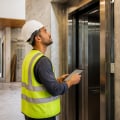
Elevator installation is a critical aspect of modern building design, providing essential vertical transportation that enhances accessibility and convenience. As urban spaces continue to grow and evolve, the demand for efficient elevator systems has surged. However, the installation of an elevator is just the beginning; understanding the importance of a comprehensive maintenance schedule is vital for ensuring the longevity and safety of these systems. Once an elevator is installed, it becomes a significant investment for property owners and managers. Regular maintenance not only prolongs the life of the elevator but also ensures that it operates safely and efficiently.
Neglecting this aspect can lead to unexpected breakdowns, costly repairs, and even safety hazards for users. Therefore, establishing a well-structured maintenance schedule is crucial in safeguarding both the functionality of the elevator and the well-being of its passengers. Moreover, different types of elevator systems may require varying maintenance protocols. For instance, hydraulic elevators may have different needs compared to traction elevators. Understanding these nuances is essential for property managers to implement effective maintenance strategies that cater to their specific systems.
In this article, we will delve deeper into the maintenance schedules post-installation and explore how they contribute to optimal performance and safety.
The Basics of Elevator Maintenance
Understanding the basics of elevator maintenance is crucial for ensuring the safety and efficiency of your elevator system. Regular maintenance not only prolongs the lifespan of the elevator but also minimizes the risk of unexpected breakdowns, which can lead to costly repairs and inconveniences.Elevator maintenance typically involves a series of scheduled inspections and servicing tasks that are designed to keep the system running smoothly. These tasks can be categorized into several key areas:- Routine Inspections: Regular checks are essential to identify any potential issues before they escalate. This includes examining the mechanical components, electrical systems, and safety features.
- Lubrication: Proper lubrication of moving parts is vital to reduce friction and wear.
This should be done according to the manufacturer’s recommendations.
- Cleaning: Keeping the elevator shaft and machinery clean helps prevent dust and debris from interfering with operations. This includes cleaning the control panels and door tracks.
- Testing Safety Features: Regular testing of emergency brakes, alarms, and communication systems ensures that all safety mechanisms are functioning correctly.
By prioritizing regular upkeep, building owners can ensure their elevators remain safe, reliable, and efficient for years to come.
Key Components of an Elevator Maintenance Schedule
Establishing a comprehensive elevator maintenance schedule is crucial for ensuring the safety, reliability, and longevity of an elevator system. A well-structured maintenance plan should encompass several key components that address both routine checks and more extensive service intervals.- Regular Inspections: Scheduled inspections are vital to identify potential issues before they escalate. These should occur at least once a month and include checks on the elevator's mechanical and electrical systems.
- Lubrication: Proper lubrication of moving parts is essential to reduce friction and wear. This should be performed quarterly to maintain optimal performance.
- Safety Tests: Conducting safety tests, including emergency stop functions and door operations, should be part of the maintenance schedule.
These tests should be performed bi-annually to ensure compliance with safety regulations.
- Cleaning: Regular cleaning of the elevator shaft, machinery, and control panels helps prevent dust accumulation that can lead to malfunctions. This should be done every six months.
- Component Replacement: Certain components, such as cables and pulleys, have a finite lifespan. A proactive approach involves replacing these parts based on manufacturer recommendations or after a specific number of operational hours.
- Emergency Preparedness: An effective maintenance schedule should also include training for staff on emergency procedures and regular drills to ensure readiness in case of an elevator malfunction.
Frequency of Maintenance Tasks After Installation
After the elevator installation is complete, establishing a consistent maintenance schedule is crucial for ensuring safety, reliability, and longevity.The frequency of maintenance tasks can vary based on the type of elevator, usage patterns, and manufacturer recommendations. Below is a general timeline for maintenance tasks that property managers should consider:
- Monthly Maintenance: Conduct visual inspections to check for any obvious signs of wear or malfunction. This includes checking the doors, lights, and emergency systems.
- Quarterly Maintenance: Perform more in-depth inspections that include testing safety features, lubricating moving parts, and checking the operation of the control system. This is also a good time to clean the elevator pit and inspect the cables.
- Semi-Annual Maintenance: Schedule a comprehensive service that includes all quarterly tasks plus a thorough examination of the hydraulic system (if applicable), replacement of filters, and testing of emergency communication systems.
- Annual Maintenance: Engage a certified technician for a full inspection and service.
This should cover all components of the elevator system, including mechanical parts, electrical systems, and safety devices. Additionally, this is an ideal time to review compliance with local regulations.
Common Maintenance Tasks for Elevators
Maintaining an elevator is crucial for ensuring its safety, reliability, and longevity. After elevator installation, a series of common maintenance tasks should be performed regularly to keep the system in optimal condition.- Regular Inspections: Conducting routine inspections is essential.
These inspections typically include checking the mechanical components, electrical systems, and safety devices. An elevator inspection checklist can help ensure that no critical areas are overlooked.
- Lubrication: Proper lubrication of moving parts is vital to reduce friction and wear. This includes the hoisting machinery, guide rails, and door mechanisms. Regular lubrication helps prevent breakdowns and extends the life of the elevator.
- Cleaning: Keeping the elevator clean is not just about aesthetics; it also prevents dust and debris from interfering with mechanical components.
Regular cleaning of the elevator shaft, car, and control panels is recommended.
- Testing Safety Features: Safety features such as emergency brakes, alarms, and communication systems should be tested regularly to ensure they function correctly in case of an emergency. This is a critical aspect of routine elevator care.
- Monitoring Performance: Keeping an eye on the elevator's performance can help identify potential issues before they become serious problems. Monitoring for unusual noises, vibrations, or operational delays can provide early warning signs that maintenance is needed.
The Role of Professional Elevator Services in Maintenance
When it comes to maintaining elevators after installation, the expertise of professional elevator services is invaluable.While some building owners may consider a DIY approach to maintenance, the complexities involved in elevator systems necessitate the skills of trained technicians. Hiring elevator technicians ensures that all maintenance tasks are performed according to industry standards and safety regulations.
Benefits of Professional Maintenance
- Expertise and Experience: Professional technicians possess extensive knowledge of various elevator systems, allowing them to diagnose issues quickly and accurately.
- Safety Compliance: Regular maintenance by professionals helps ensure that elevators comply with local safety codes and regulations, reducing the risk of accidents.
- Preventive Care: Scheduled maintenance can identify potential problems before they escalate, saving time and money on costly repairs.
- Enhanced Performance: Regular servicing by professionals can improve the efficiency and longevity of the elevator, ensuring smooth operation for users.
- Documentation: Professional services provide detailed records of maintenance activities, which can be crucial for audits and compliance checks.
Regulatory Standards and Compliance in Elevator Maintenance
Ensuring the safety and reliability of elevators is paramount, and this is where regulatory standards and compliance come into play. Various organizations and governmental bodies establish guidelines that elevator maintenance must adhere to, ensuring that all systems operate safely and efficiently.In the United States, the primary regulatory framework for elevator maintenance is governed by the American Society of Mechanical Engineers (ASME), specifically the ASME A17.1 code.This code outlines essential safety standards for elevators, escalators, and moving walks. Compliance with these standards is not just a best practice; it is often a legal requirement.
Key Compliance Standards
- Regular Inspections: Elevators must undergo routine inspections by certified professionals to ensure they meet safety codes.
- Maintenance Records: Keeping detailed records of all maintenance activities is crucial for compliance and can be requested during inspections.
- Emergency Procedures: Elevators must have clear emergency procedures in place, including regular testing of emergency systems.
Safety Codes
also play a significant role in elevator maintenance. These codes dictate the design, construction, installation, operation, inspection, testing, maintenance, and repair of elevators.
Adhering to these codes not only enhances safety but also prolongs the lifespan of the elevator system.In summary, understanding and complying with elevator maintenance regulations is critical for any facility manager or building owner. Regular adherence to these standards not only ensures legal compliance but also fosters a safe environment for all elevator users.
FAQs About Elevator Maintenance Schedules
When it comes to elevator maintenance, many property owners have questions about the best practices and schedules to ensure safety and efficiency. Here are some frequently asked questions regarding elevator maintenance schedules.How often should elevators be serviced?
Generally, elevators should undergo routine maintenance at least every three to six months. However, the specific schedule can vary based on factors such as:- The type of elevator (hydraulic, traction, etc.)
- The frequency of use
- The age of the elevator
- Manufacturer recommendations
What does a typical maintenance visit include?
A standard maintenance visit typically covers:- Inspection of mechanical components
- Lubrication of moving parts
- Testing safety features and emergency systems
- Cleaning of the elevator shaft and machinery
- Checking for wear and tear on cables and pulleys
What are the signs that my elevator needs immediate attention?
If you notice any of the following issues, it’s crucial to contact a professional:- Unusual noises during operation
- Doors that do not open or close properly
- Frequent breakdowns or malfunctions
- Inconsistent leveling with floors
Can I perform maintenance myself?
While some minor tasks, like cleaning the interior, can be done by building staff, it is essential to have a qualified technician handle all major maintenance and repairs.This ensures compliance with safety regulations and prevents potential hazards.Understanding these aspects of your elevator's maintenance schedule can help you keep your system running smoothly and safely. Regular attention not only extends the lifespan of your elevator but also enhances the overall experience for users.
Conclusion: Ensuring Safety and Efficiency Through Regular Maintenance
In conclusion, adhering to a regular maintenance schedule for elevators is crucial for ensuring both safety and efficiency after installation. Regular maintenance not only extends the lifespan of the elevator but also minimizes the risk of unexpected breakdowns, which can lead to costly repairs and potential safety hazards.Throughout this article, we have discussed the various components of an effective maintenance schedule, including:- Monthly Inspections: Regular checks to ensure all systems are functioning correctly.
- Quarterly Maintenance: More in-depth inspections that may include lubrication and adjustments.
- Annual Safety Tests: Comprehensive evaluations to meet regulatory compliance and safety standards.
This partnership not only helps in maintaining compliance with local regulations but also enhances the overall user experience.Ultimately, investing in a structured maintenance plan is a proactive approach that pays off in the long run. Regular maintenance not only protects your investment but also ensures that your elevator remains a reliable mode of transportation for all users. Remember, a well-maintained elevator is not just about convenience; it’s about prioritizing safety and efficiency in every ride.